



Discover the Truth About What Drives Biostimulant Performance
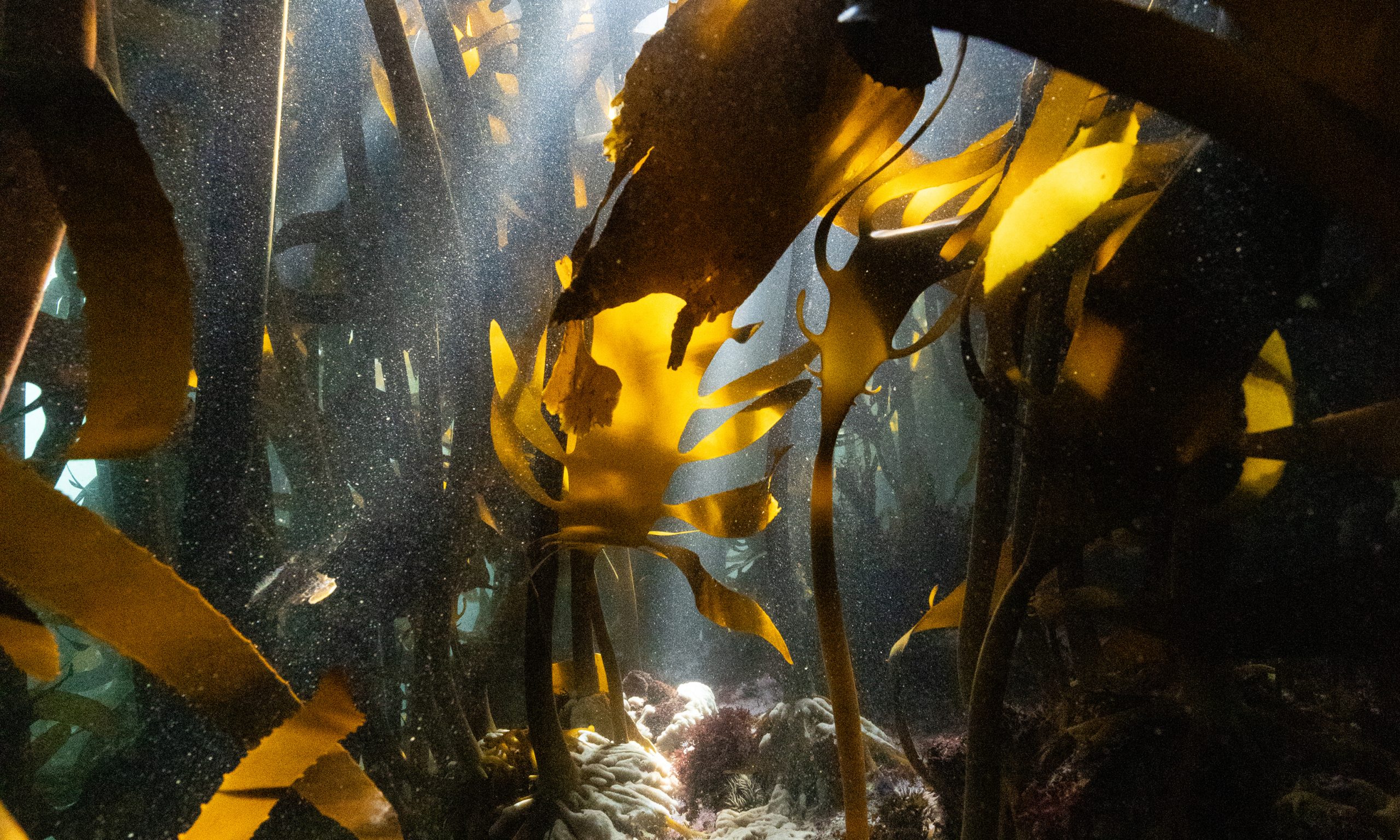
Walk into any agricultural supply store and you’ll see a growing range of seaweed-based biostimulants, often differentiated by claims, but not always with clarity.
Most seaweeds used in biostimulant production share a similar set of biochemical components. Polysaccharides, phenolic compounds and other secondary metabolites are common across species, including widely used brown seaweeds such as Ascophyllum nodosum and Ecklonia maxima. What differs isn’t the presence or absence of these components, but how they’re expressed, transformed and combined in the final formulation.
This distinction matters. Biostimulants aren’t defined only by their individual components, but by how they interact with plant physiology.
It’s this interaction that influences performance.
Similar Ingredients, Different Outcomes
Brown seaweeds have evolved under diverse environmental conditions, which influence the proportions, structural features and molecular weight distributions of the compounds they produce. Seasonal growth patterns, nutrient availability, light exposure and physical stress all shape the biochemical makeup of the harvested biomass.
However, these differences are best understood as variation within a shared biochemical framework, rather than as different modes of action between species. No single brown seaweed ‘owns’ a specific bioactive class and no species can be expected to deliver the same agronomic outcome across all crops and environments.
This is why attempts to rank seaweed species by inherent superiority often fall short. What ultimately reaches the plant is not the raw seaweed, but the biochemical profile shaped by processing.
Processing Shapes Function
Extraction and formulation act as filters that determine which components are retained, transformed, or fragmented and therefore which signals the plant actually perceives.
Different processing approaches can emphasise different functional characteristics: –
• Molecular size and structure
• Bioavailability of bioactive compounds
• Interaction with plant signalling processes
None of these outcomes is inherently ‘better’. They differ and their relevance depends on the crop, timing, stress conditions and application strategy.
From a functional perspective, processing choices influence how a biostimulant interacts with plant signalling, stress-response pathways and resource allocation mechanisms. This helps explain why products derived from similar raw materials can display different behaviours in the field and why performance is often context-dependent rather than universal.
Looking Beyond the Label
As the biostimulant sector matures, growers and agronomists are increasingly looking beyond species names on labels and asking more meaningful, functional questions:
• What physiological processes is this product designed to support?
• Under which conditions does it perform most consistently?
• How was the raw material handled and transformed to achieve that function?
• How is quality controlled and variability managed from batch to batch?
These questions shift the conversation away from simplistic comparisons towards a more realistic understanding of biostimulants as tools that support plant responses, rather than inputs that force outcomes.
A More Functional Way Forward
Seaweed biostimulants are best understood not as interchangeable commodities or species-specific solutions, but as biologically active formulations whose effects are determined by the interaction between raw material, processing and plant context.
Recognising this complexity does not weaken the case for seaweed-based products – it strengthens it. It encourages more responsible product development, more realistic expectations and better alignment between science and field performance.
As research continues to refine our understanding of how these materials work, the most credible biostimulant strategies will be those that focus less on labels and more on function and what the plant can effectively utilise.
Contact Karma Kelp to learn more about our process, purpose and impact.
Photo Credit: Danel Wentzel