



Proven Impact of Seaweed Biostimulants – from Ancient Oceans to Modern Fields
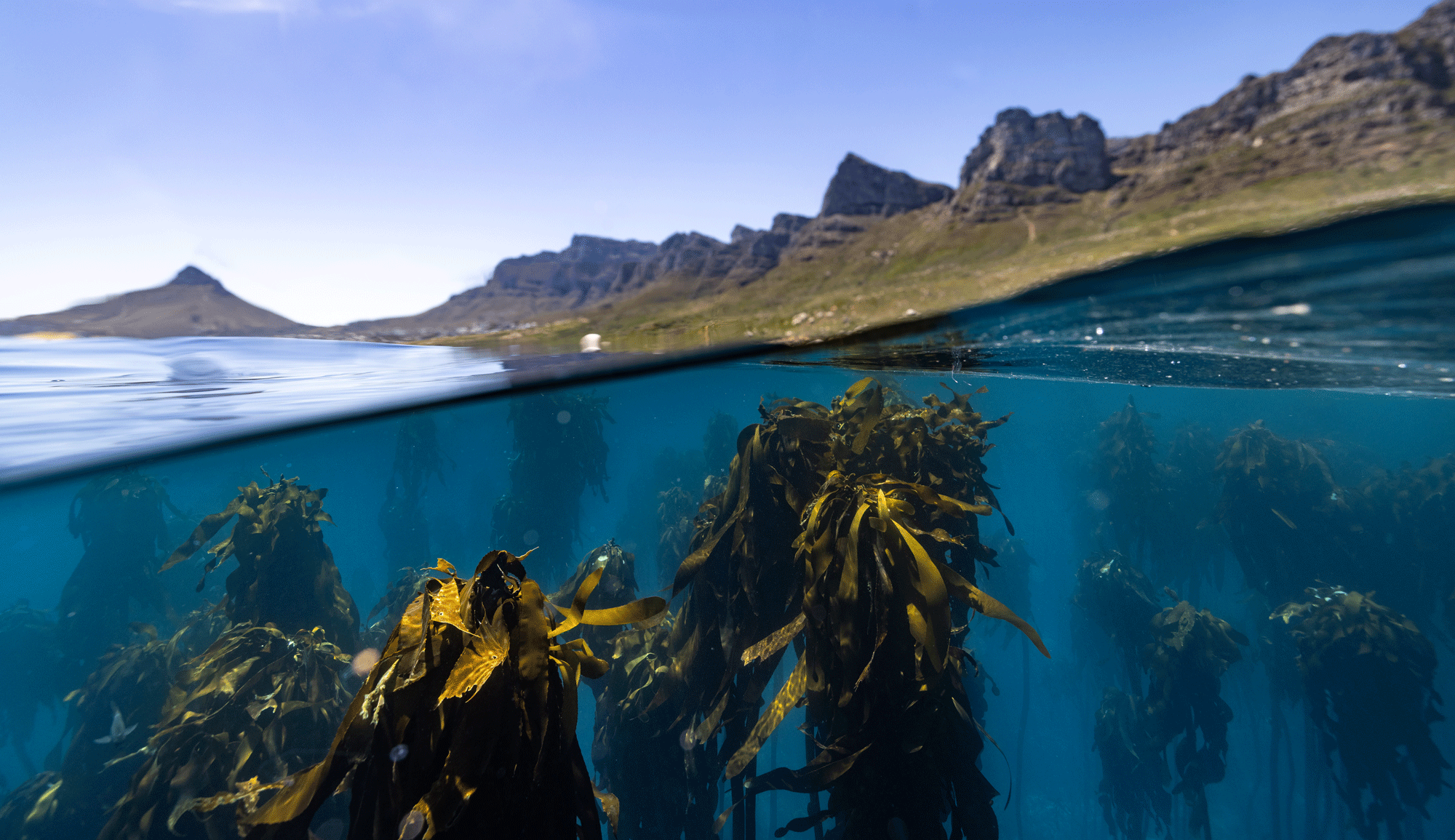
Long before laboratory extraction methods or controlled trials, coastal farmers knew something special grew in the sea.
For centuries, communities living near the ocean have harnessed seaweed for farming. From the kelp-rich shores of Scotland to the rocky coasts of Japan, growers hauled fresh seaweed onto their fields, using it as mulch and fertiliser. They didn’t understand the biochemistry behind it, but they recognised the results: healthier plants, better yields, more resilient crops.
What began as an intuitive practice has evolved into a sophisticated science, helping explain why seaweed has remained relevant across millennia of agricultural innovation.
At Karma Kelp, this legacy isn’t just history – it’s the foundation of how we approach modern, responsible agriculture today.
The Commercial Turning Point
The modern seaweed biostimulant industry truly took shape in the mid-20th century. In the 1950s and 1960s, researchers began isolating and studying the bioactive compounds in different seaweed species. They observed that extracts from certain kelps produced auxin-like and cytokinin-like responses in plants, effects associated with improved root development, nutrient uptake and stress tolerance.
This was no longer just folklore – it had become measurable, repeatable science.
Early commercial products focused primarily on liquid extracts from brown seaweeds, particularly large kelps within the order Laminariales, including species from the Laminariaceae and Lessoniaceae families. These kelps proved especially rich in beneficial compounds, making them ideal candidates for agricultural applications. By the 1970s and 1980s, seaweed-based products had gained traction among progressive growers seeking natural ways to boost crop performance.
Understanding What Makes Kelp Work (and What We're Still Learning)
For decades, the industry explained seaweed’s effectiveness through a simple story: kelp extracts contain plant hormones – auxins and cytokinins – that directly stimulate growth. It was neat, marketable and partly true.
But as analytical methods improved, that narrative began to shift.
Modern research reveals a more nuanced picture. While kelp extracts do contain trace amounts of auxins and cytokinins, the levels are often too low to account for the significant plant responses we observe. The real value lies elsewhere: in complex natural compounds that influence how plants respond to stress and communicate.
These compounds do not feed plants or supply hormones. They appear to interact with plant signalling networks, contributing to defence priming and stress-response regulation.
Research on species like Ecklonia maxima, a kelp native to South Africa’s cold Atlantic waters, has been particularly revealing. Studies have documented significant improvements in root architecture, fruit quality and stress resilience. But the mechanisms are far more sophisticated than the earlier auxin story suggested. These effects are increasingly linked to complex interactions between oligosaccharides and phenolic compounds, acting through plant signalling pathways rather than direct nutritional or hormonal inputs.
We’re still uncovering exactly how these interactions work. But that’s the point, good science evolves.
From Commodity to Premium Solutions
Today’s seaweed biostimulant market reflects a shift towards quality and traceability. Growers have become more discerning, asking not just, ‘Does this contain seaweed?’, but ‘Which species? How was it harvested? How was it processed?’
This evolution makes sense. Not all seaweed is the same and not all extraction methods are designed to preserve the same characteristics. Different processing approaches shape different biochemical profiles, each with implications for function and use. Working with wild-harvested kelp from defined coastal areas and maintaining full traceability from harvest through production allows tighter control over variability and consistency – a requirement commercial agriculture increasingly demands.
The industry has also matured in its understanding of sustainability. Responsible sourcing practices, partnerships with small-scale coastal harvesters and marine ecosystem protection have become essential considerations rather than marketing afterthoughts.
Looking Forward
What began centuries ago as coastal intuition has become a cornerstone of modern sustainable agriculture. Seaweed biostimulants offer growers a way to enhance crop performance while reducing reliance on synthetic inputs – a balance that matters more than ever.
As research deepens and understanding grows, one thing remains clear – seaweed’s role in agriculture is far from finished.
If you’re ready to harness the potential for your operation, visit karmakelp.com to discover our approach to traceable, sustainably-sourced kelp biostimulants.
Photo Credit: Danel Wentzel