

What Makes a Seaweed Biostimulant Credible and Scalable?
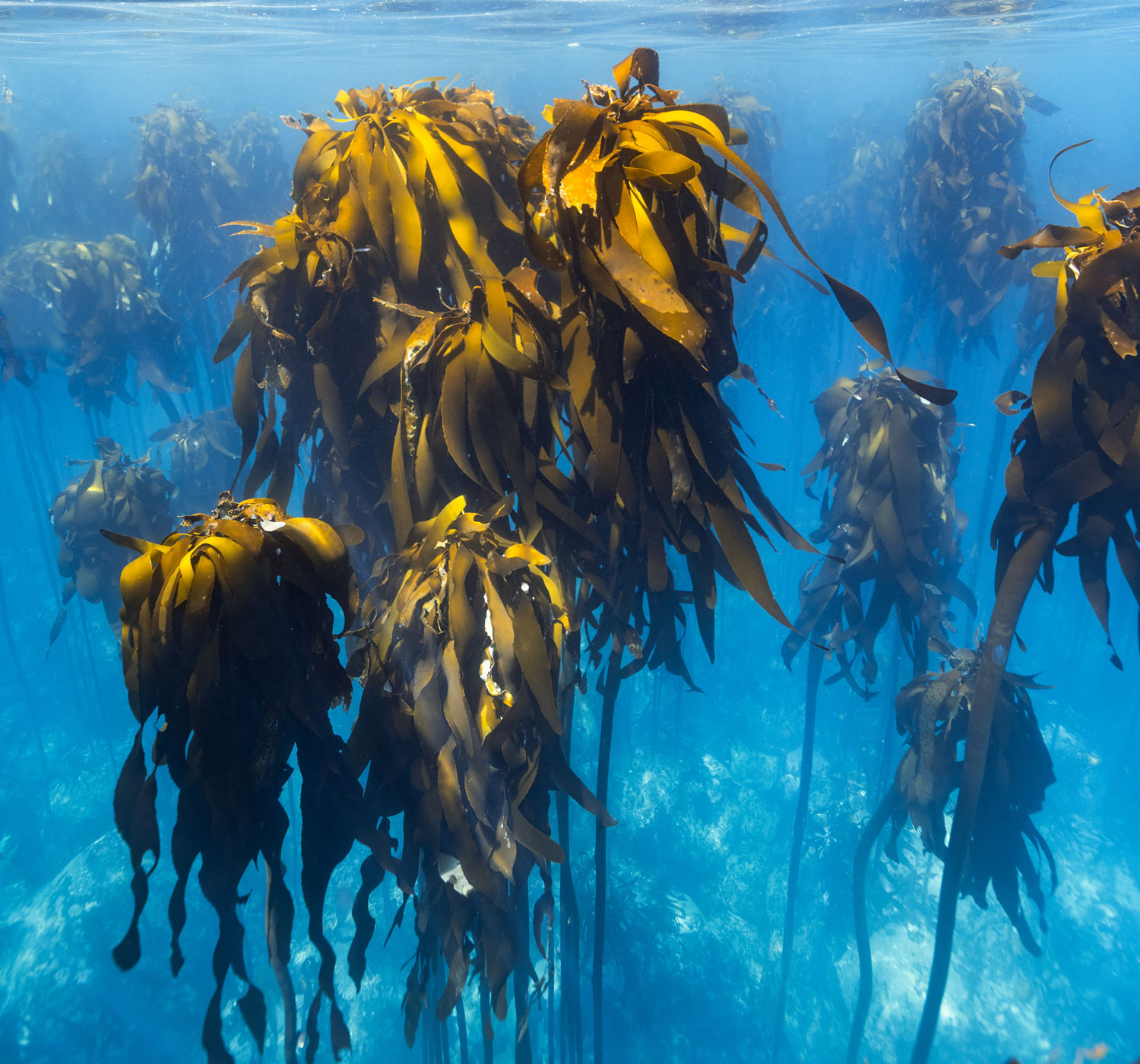
The Power of the Cold Atlantic
Our story begins in the wild, turbulent waters of the South African coast – the exclusive home of Ecklonia maxima, a species of giant kelp shaped by one of the most physically demanding marine environments on Earth. Here, constant wave energy, strong coastal currents, fluctuating light intensity and cold nutrient-rich upwelling from the Benguela Current exert continuous environmental pressure. These conditions are known to influence the plant’s biochemical complexity. We don’t ‘improve’ it – we simply preserve what the ocean already produced. To do this, freshly harvested kelp is processed immediately using a cold, mechanical cell-disruption process. By avoiding heat or aggressive chemical extraction, we focus on releasing the kelp’s native cellular contents while limiting unnecessary modification. The aim is simple: to capture what the ocean shaped, preserving its native complexity through controlled processing.
A Deliberate Harvesting Model
Our harvesting approach is intentional by design.
We work directly with small-scale South African fishermen who operate along defined stretches of coastline. Their local knowledge and long-standing relationship with the marine environment guide how and when kelp is collected, ensuring harvesting remains selective, responsible and aligned with ecosystem capacity – while providing stable, meaningful income for coastal communities.
Defined by Process
Discipline rather than shortcuts guides this approach. It is intended for those who value:
- Controlled quality, with each batch traceable to a defined stretch of coastline
- Responsible harvesting, an integral part of how the product is sourced and made
- A science-led foundation, grounded in what is known about Ecklonia maxima and its use in biostimulant applications
We’re not trying to redefine kelp or overstate its effects. Our focus is on building a product that can grow in scale without compromising care, consistency, or respect for its origin.